An overview of the major retirement accounts, include Individual Retirement Accounts, Simplified Employee Pensions, and 401(k) plans.
In this topic, you'll learn:
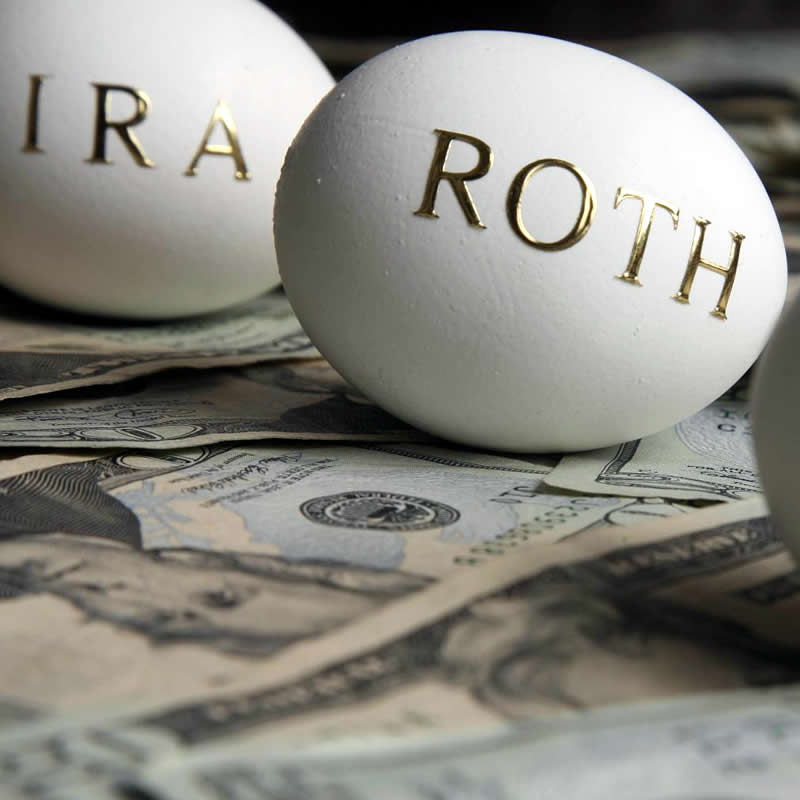
One of the most popular tax advantaged accounts is the IRA. While there are several types of IRAs, most people own a "traditional" or a "Roth" IRA. The traditional IRA allows you to contribute money that grows tax free until retirement. Many people can also deduct the money they contribute on their tax return. The earnings in your IRA are taxed when you withdraw them as are any contributions you deducted on your tax return when you made the contribution.
On the other hand, Roth IRAs grow tax free, but contributions cannot be deducted. Withdrawals in retirement from a Roth IRA, however, are tax free as long as you’ve had the Roth IRA for at least 5 years. Whether a traditional or Roth IRA is more advantageous depends on factors such as your current tax bracket, expected income in retirement, and when you plan to withdraw funds. A financial advisor can help evaluate which option may be more suitable for your situation.
Another plan often used by employers is the Simplified Employee Pension (SEP) plan, which allows employers to set up and contribute to IRAs for their employees. This plan allows higher contribution limits than traditional or Roth IRAs.
Considering the tax benefits of IRA accounts, why would anyone invest in taxable accounts? There are a few serious limitations to IRAs:
There are several other types of retirement accounts that allow higher contributions, but the most popular is the 401(k) plan (also known as 403(b) for those working in non-profits). These plans allow total contributions that are more than three times as high as IRA. These are employer-sponsored plans, meaning that you must work for an employer that offers the program. If the employer does not offer the plan, it is not available to you.
Another benefit of many 401(k) programs is "employer matching," the matching of your contributions by your employer up to a certain amount. For example, the employer may contribute one dollar for every dollar you contribute, up to 5% of your total salary - a significant saving bonus.
Those saving for retirement may have both IRA and 401(k) accounts. If your employer matches 401(k) contributions, matched account are likely a better deal - that's free money, after all. But if you can, there's no reason why you can't contribute to both.
Since 1937, Sunmark has been dedicated to enriching lives across New York. For 85+ years, we've put members first while staying true to our cooperative roots. Our story isn't just about banking - it's about building stronger communities.